
Diesel Engine Remanufacturing: Signs You Need an Overhaul
Read our short guide to remanufacturing to know whether your diesel engine needs an overhaul.
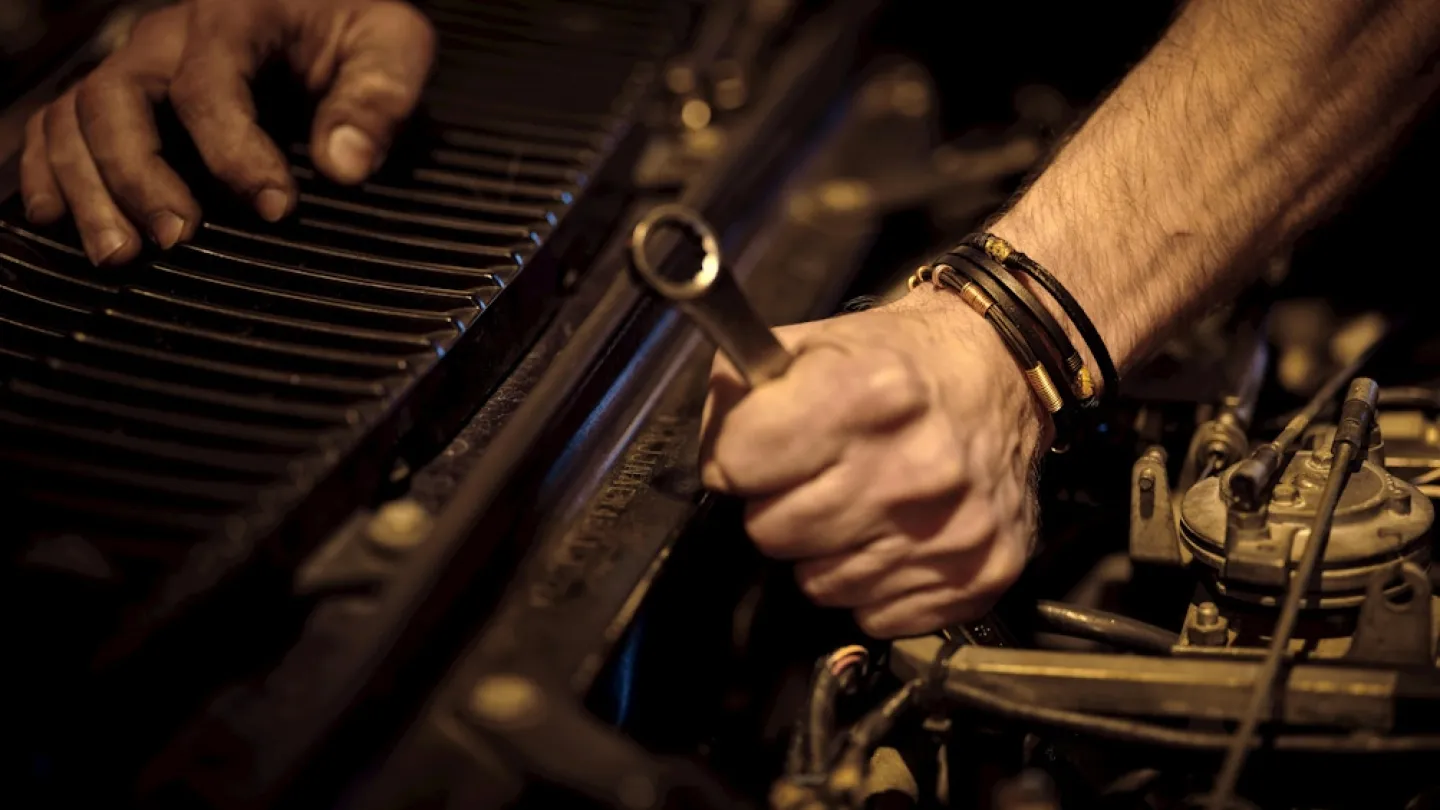
Millions of engines require remanufacturing every year, particularly those for long-distance trucks and local transit buses, which annually clock tens of thousands of miles. To maximise efficiency, minimise downtime and avoid new vehicle costs, here is the Foxwood Diesel guide to identifying signs that your diesel engine needs remanufacturing.
Why Use Diesel Engine Remanufacture Services?
Remanufacturing involves stripping an engine to the bare block, machining it to the original equipment manufacturer (OEM) specifications and fitting it with all-new internal components. This process is distinct from reconditioning, during which only broken or worn engine parts are replaced.
Remanufacturing diesel engines has several advantages over replacing an entire vehicle, especially within a fleet. For example, reusing an engine block:
1. Offers a fast turnaround
Due to likely factory backorders and approval barriers, an engine can be remanufactured in a fraction of the time it would take to order and receive an entirely new engine or vehicle.
2. Is sustainable
Maintaining engines is more environmentally friendly than buying new ones, reducing demand for raw materials and saving energy, according to the Society of Motor Manufacturers & Traders (SMMT).
3. Is cost effective
The cost of overhauling an engine is lower than buying a new engine or vehicle, and unlocks greater value in a truck or bus that has likely already paid for itself.
4. Leverages modular design
Many truck and bus engines are manufactured with easy parts removal in mind, making them virtually infinitely rebuildable.
In this way, remanufacturing is a core business strategy in commercial transport, especially amid tightening sustainability regulations and increasing pressure to set and meet carbon neutrality goals. For fleet drivers and managers with circular economy targets, remanufacturing is a business necessity.
When Does a Diesel Engine Need Remanufacturing?
To minimise fleet downtime, it’s best to take a predictive approach to maintaining diesel engines. Remanufacturing can prevent many common diesel engine problems that become more likely with age. When performing regular checks, here are the top signs that a diesel engine needs remanufacturing:
1. Excessive smoke
If you have noticed more smoke than normal coming from your vehicle’s exhaust, this could indicate one of several problems, including fluid leakage into the combustion chamber, injection problems or an incorrect fuel mixture. Never ignore persistently excessive smoke from a diesel truck or bus.
2. Loss of compression
Your engine may be experiencing reduced power and poor acceleration. Compression loss usually results from worn cylinder seals, leaking gaskets or damaged piston rings. These faults weaken the ability to generate power, often requiring complete diesel engine remanufacturing.
3. Oil sludge
Oil sludge looks like dark residue around the dipstick, oil fill cap or inside the engine itself. It accumulates when, due to contaminated oil, engine components are not being sufficiently lubricated and are experiencing excessive friction and wear. Sludge obstructs proper oil circulation, accelerates engine degradation and necessitates diesel engine remanufacturing.
4. Operational milestone
Even if the above issues have yet to materialise, it is advisable to remanufacture a diesel engine that has reached or exceeded the manufacturer’s recommended age, mileage or engine hours. Achieving significant operational milestones increases the likelihood of fatigue in internal components and the need for a preventive overhaul.
How Long Do Diesel Engines Last?
While the lifespan of specific engine models depends on their B-rating, which predicts how many miles an engine will last before 10% or 50% requires a major overhaul, diesel vehicles are renowned for their longevity.
Designed for long-distance driving, trucks have an average lifespan of 750,000 to 1,000,000 miles. This is partly due to operating at a steady temperature for days at a time, avoiding the thermal shock of repeatedly cooling down and heating up that smaller engines suffer.
Buses and coaches, on the other hand, experience constant stop-and-go driving and frequent idling, lowering their average lifespan to 300,000 to 500,000 miles. Therefore, bus fleets can expect to require diesel engine remanufacturing far sooner than trucks.
We Are Dealers in Remanufactured Diesel Engines
Foxwood Diesel specialises in remanufacturing Cummins diesel engines, remanufacturing Mercedes diesel engines and distributing new and reconditioned parts for all major diesel engine manufacturers. Our engine overhaul costs are competitive, giving you less to worry about as you get your fleet roadworthy again.
If you require exceptional remanufacturing services for a Mercedes or Cummins truck or bus, please contact us with your engine number today. Or, for more information about diesel engine upkeep, including causes of overheating and high oil consumption, visit the Foxwood Diesel blog.